


From Off-Grid to Net Positive: Powering Sustainable Futures through Clean Energy
Affordable, reliable and clean energy is foundational to sustainable development. SDG 7: Affordable and Clean Energy recognises that energy access underpins progress across education, health, equality, economic opportunity and climate action.
7Yet energy is often treated as a technical problem, disconnected from everyday life.
At Solid Green, energy is approached differently. We see energy as a human, systems-based challenge and an opportunity to demonstrate what sustainable development looks like in practice. Energy is not a conceptual element; it is something we can manage and conserve. We are making our office into a living laboratory for energy resilience, innovation and continuous improvement.
Leading by Example: Energy Independence in Practice
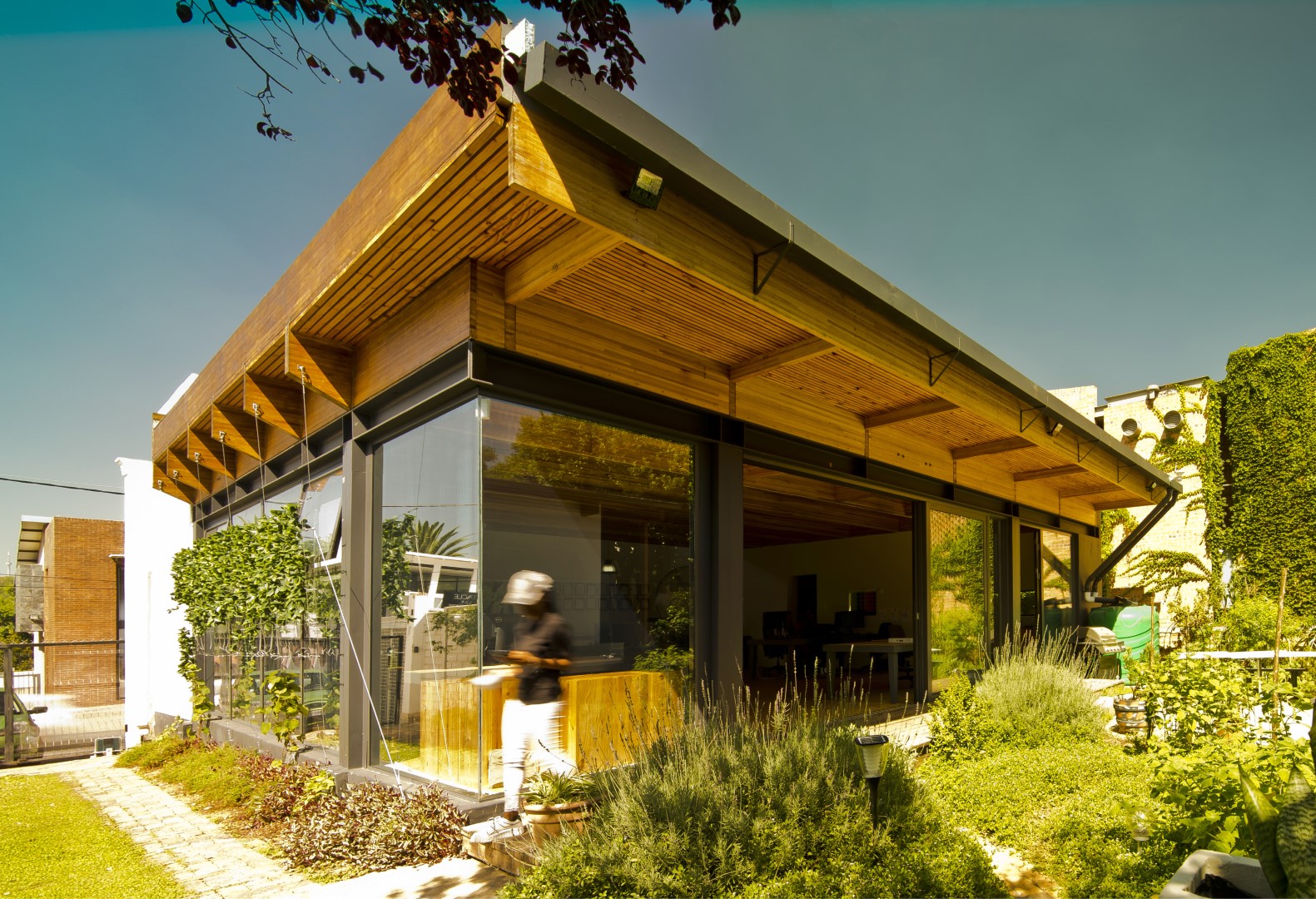
Solid Green’s offices have long embodied our core values of innovation, performance and purpose. Our previous workspace achieved both LEED Platinum Interiors and 6-Star Green Star Interiors certifications which is the highest standard in sustainable interior design. These milestones affirmed our belief that the built environment can lead change rather than respond to it.
When we moved into our new Parkhurst office, we deliberately set the bar higher. The space now operates completely off-grid, powered entirely by on-site renewable energy. In a context of increasing energy instability, this decision was about more than environmental performance. It was about resilience, autonomy and responsibility. The office demonstrates that clean energy is not a future aspiration. It is a viable, reliable solution today when sustainability is embedded at the design and operational level.
Beyond Net Zero: Reimagining what “Positive” looks like
Initially we wanted to go beyond certification and focus on actual performance. As time has passed, and through minor upgrades on the system over the years, we are finding ourselves generating more power than we use.
With our systems performing as designed, we began asking a critical question: what comes after Net Zero?
The GBCSA’s Net Zero / Net Positive framework defines net positive buildings as those that generate more renewable energy than they consume, typically by exporting surplus energy back to the grid. But our building is not grid-connected. It is entirely self-sufficient.
Rather than seeing this as a limitation, we saw an opportunity to rethink what positive impact could mean.
Clean Energy meets Clean Mobility: Expanding the System Boundary
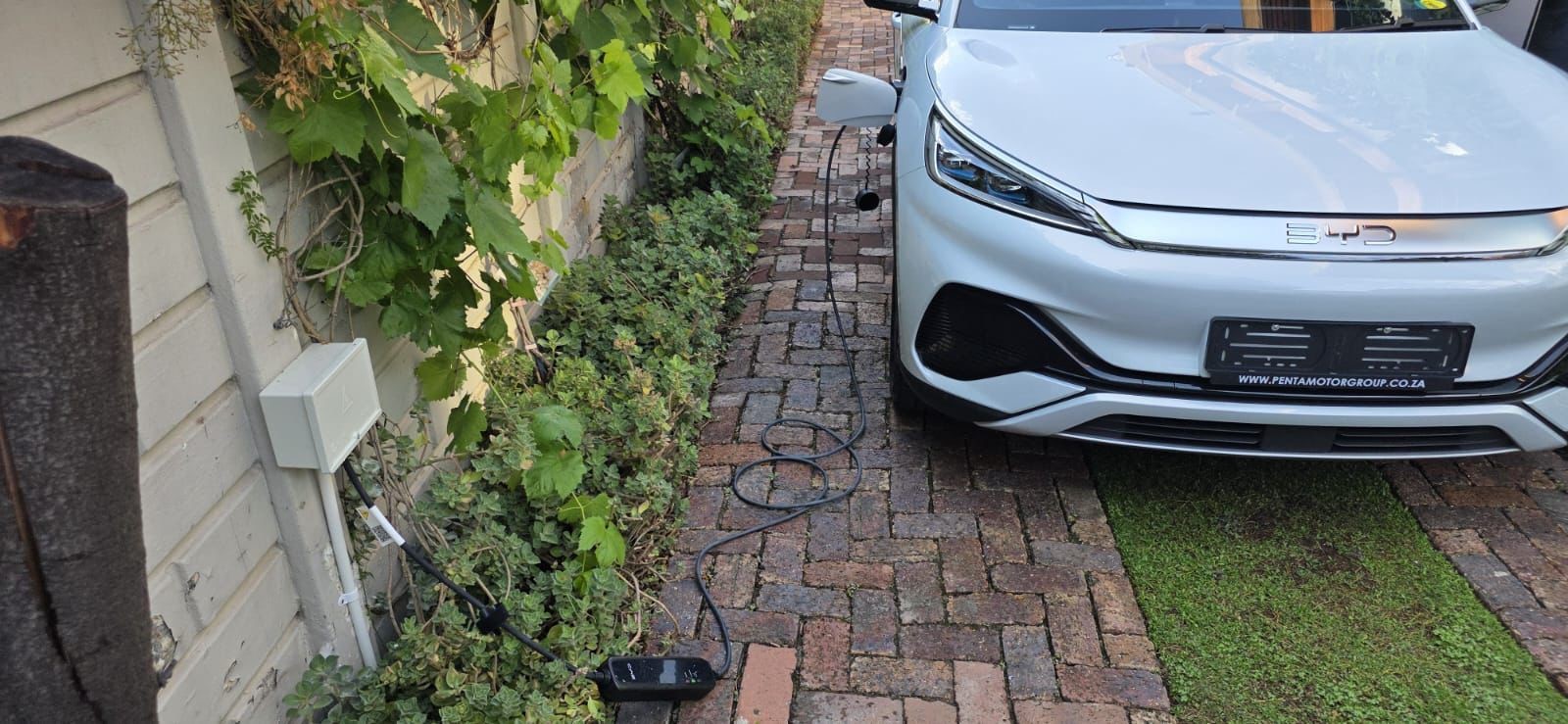
That opportunity emerged through mobility. Two members of the Solid Green team now drive fully electric vehicles, and we have installed an EV charging station at our office, powered directly by our solar energy system. The charging station is available to both staff and visitors, extending the benefits of renewable energy beyond the building itself.
By charging EVs, we are:
- Using surplus renewable energy for clean mobility
- Reducing emissions beyond the building’s operational footprint
- Actively supporting the decarbonisation of transport
This initiative directly links SDG 7 (Clean Energy) with SDG 11 (Sustainable Cities) and SDG 13 (Climate Action), reinforcing the idea that sustainability outcomes multiply when systems are connected rather than siloed.
Measuring what Matters: Our Net Positive Target
To ensure credibility and transparency, we are carefully monitoring the energy used for EV charging, which is a load that sits outside the building’s operational boundary.
Our goal is clear: when energy used for EV charging exceeds the building’s own annual consumption by 5% over a 12-month period, our office will be eligible for Net Positive status.
At that point, the building will not only sustain itself but will actively enable emissions reductions elsewhere in the system.
Making the Journey Visible
Sustainability is most powerful when it is shared. To make this journey transparent and educational, Solid Green will be launching a live Net Positive tracker on our website, allowing clients, partners and the public to follow our progress toward the 5% target in real time.
This initiative reflects our belief that leadership is not about perfection, but about learning, data, and continual improvement.
Energy as a Catalyst for Holistic Sustainability
Energy solutions are most impactful when they support broader social and environmental goals. By embedding clean energy into our own operations, Solid Green demonstrates how the built environment can:
- Reduce reliance on fossil fuels
- Improve resilience in the face of energy insecurity
- Lower long-term operational costs
- Support climate-positive behaviours beyond the building
This mirrors our broader sustainability ethos: true sustainability integrates people, planet and prosperity.
Powering the Future, One System at a Time
At Solid Green, SDG 7 is not a policy aspiration – it is lived, measured and continuously refined. From operating fully off-grid to redefining what Net Positive means through clean mobility, our energy journey reflects a commitment to pushing boundaries and raising expectations.
Clean energy is not just about keeping the lights on. It is about enabling resilient systems, empowering people, and accelerating the transition to a low-carbon future.
This is what energy-focused sustainability looks like in action: bold, practical and forward-looking.

