


Lessons in Real Time: What We’re Learning by Doing
Adrie Fourie, Head of the Sustainable Cities & Research Department at Solid Green shares how we refine our approach to resilience through reflection, feedback, and lived experience.
7Designing a Workplace Resilience Programme is one thing. Living it is another.
At Solid Green, we set out to build a programme that would be practical, responsive, and human. What we didn’t expect was just how much we would have to unlearn and adapt along the way. Behaviour change is complex. Emotional safety is layered. And embedding resilience isn’t a checkbox – it’s a culture shift.
Feedback Is the Real Curriculum
The strength of our programme lies not just in its structure but in its willingness to be shaped by the people in the room. Early sessions revealed insights we hadn’t anticipated: how multitasking drains focus, how silence can signal safety or discomfort, how different teams engage with resilience differently.
We realised that the programme needed to be less linear and more layered. For some, the group check-ins were grounding. For others, it was the personalised assessment report that opened a new awareness. The real lesson? A single pathway won’t meet everyone where they are.
Resilience isn’t one-size-fits-all. It’s responsive. It meets people where they’re stretched.
We’ve dared to Slow Down to Stay on Track
One of the earliest lessons we learned was about pace. As a high-performing team in a deadline-driven sector, the idea of “slowing down” can feel counterintuitive, almost indulgent. But we quickly saw how rushing undermines the very outcomes we want to protect: clarity, calm, focus, and collaboration.
Instead of pushing forward for the sake of progress, we’ve built in intentional pauses: time to reflect, time to revisit what’s working, and space to sit with discomfort.
Sometimes resilience looks like momentum. Sometimes it looks like rest.
Individual Insights Create Organisational Shifts
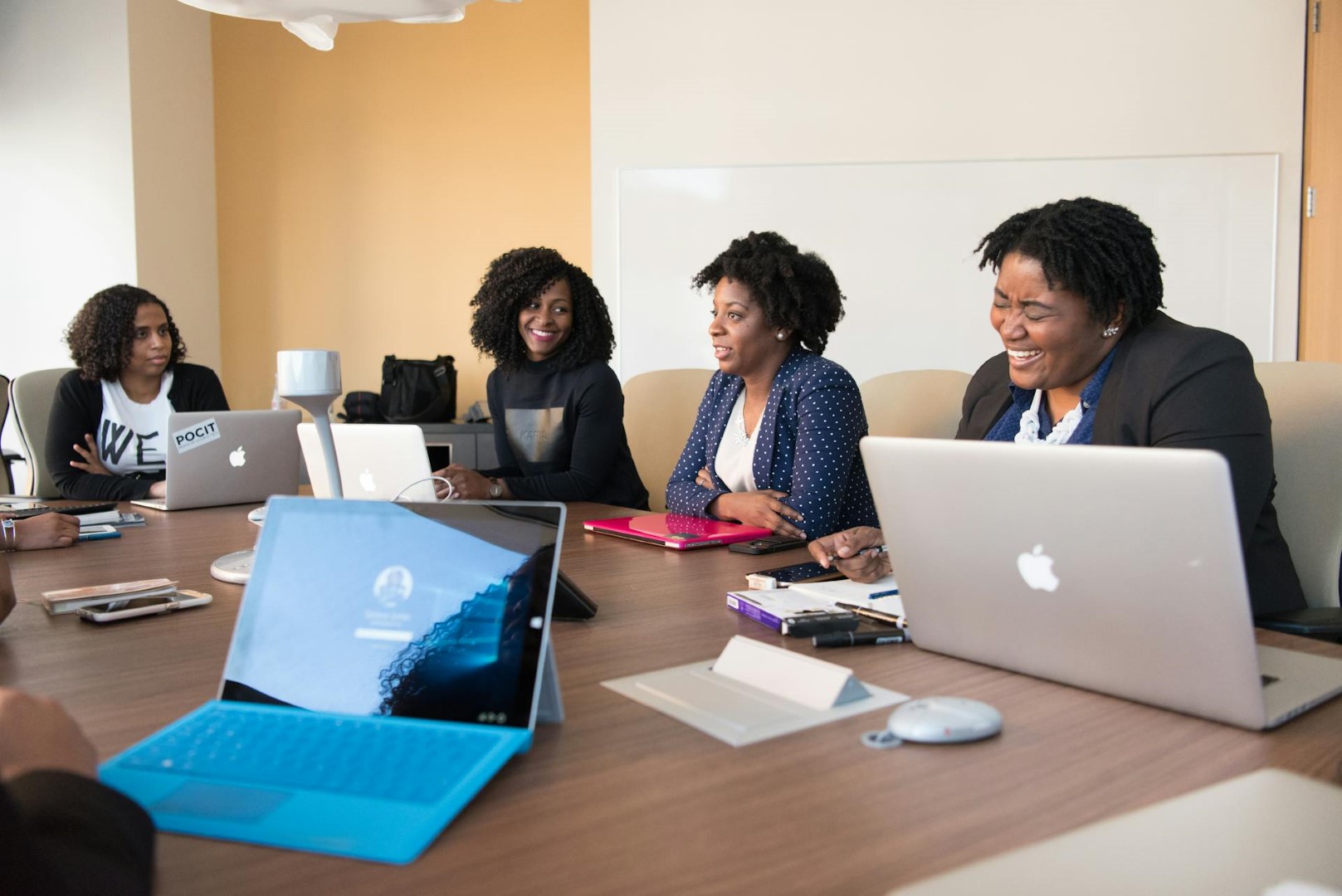
The personal resilience assessments were designed to be private, supportive tools but their ripple effect has been organisational. We’ve seen how people begin to language their needs differently, how team members share practices that work for them, and how small shifts in self-awareness can reshape interpersonal dynamics.
When individuals grow in resilience, the culture around them starts to shift – quietly, but undeniably.
Whether it’s an employee building better recovery rhythms or a manager learning to hold space rather than solve everything, these changes reinforce a culture where people feel trusted, not managed.
This is still a Prototype – and that’s the Point
One of the most valuable principles we’ve embraced is that the programme isn’t final, it’s iterative. Each phase offers something new to notice, respond to, or revise. We don’t have all the answers. What we do have is a willingness to keep asking better questions.
In many ways, the resilience programme mirrors how we work in sustainability:
- It’s about progress, not perfection
- It values systems thinking and interdependence
- It honours complexity instead of oversimplifying it
Looking Ahead
As our team grows, new members are invited to complete the assessment and join the conversation from where they are, not where we assume they should be.
In the final article in this series, we’ll shift our lens outward, exploring how Solid Green is taking what we’re learning internally and using it to help clients and collaborators build more resilient teams, organisations, and projects.
Because workplace resilience isn’t just good for our people. It’s part of how we do great work.

