


What Makes a City Sustainable in the African Context?
Challenging global norms and reimagining cities through local realities: insights from Adrie Fourie, Head of the Sustainable Cities & Research Department at Solid Green.
7What makes a city sustainable?
It’s a question that has long been answered through frameworks developed in the global North – where reliable infrastructure, consistent service delivery, and formalised urban systems are often taken for granted. But when we ask the same question in an African context, the answers shift. The realities shift.
The challenges we face in African cities – such as informal housing, aging infrastructure, resource scarcity, rising heat and uneven access to basic services – don’t just require more planning. They require different thinking altogether.
At Solid Green, we believe that truly sustainable cities must emerge from the intersections of dignity, regeneration, and justice. That means looking beyond imported metrics and embracing context-specific innovation. Because what works in Copenhagen doesn’t always work in Cape Town.

Rethinking the Question: From Green to Just
In many mainstream conversations, sustainability is reduced to carbon emissions, recycling rates, or access to public transport. These are important but they are not the full picture.
In African cities, we must consider deeper tensions:
- Density vs. Dignity
Increasing urban density must go hand in hand with human dignity. We can’t stack more people into smaller spaces without addressing design, access, and quality of life. - Growth vs. Regeneration
Economic growth cannot come at the expense of environmental and social repair. Regenerative development asks: how do we heal what’s already broken while building what’s new? - Service Access vs. Historical Exclusion
Many communities have never received consistent access to clean water, safe transport, or green space. Sustainability must be built on the shoulders of equity, not assumptions of access.
Why the African City Matters
By 2050, nearly 60% of Africans will live in cities. How we design, govern, and regenerate these spaces will determine whether the continent thrives or fractures under the pressure of urbanisation.
African cities hold within them:
- Unparalleled cultural richness
- Youth-driven innovation and energy
- Deep traditions of community care
- Intimate knowledge of how to do more with less
Yet, our cities are also deeply marked by the legacy of apartheid, colonial planning, and economic exclusion. While cities in the global North developed under the wealth accumulation of industrialisation – often financed through colonial exploits – many African cities are urbanising without access to those foundational resources. As the World Resources Institute (WRI, 2024) notes:
Urbanisation in the global South is occurring under dramatically different conditions: less wealth, weaker institutions, and fewer infrastructure systems already in place.
Leapfrogging the Linear Path
And yet, despite these limitations, African cities are often at the leading edge of innovation. From mobile money systems like M-Pesa, to decentralised solar grids in peri-urban communities, to real-time transport mapping tools built for informal minibus routes, many African cities aren’t following the old roadmap. They’re leaping past it.
This means our approach to sustainability must not only account for local constraints, but also local ingenuity. African cities are not behind. They are different – and in many ways, already showing us the future.
From Standards to Stories
At Solid Green, we work with global sustainability frameworks but we do so with a local conscience. Our work doesn’t start with checklists. It starts with:
- Listening to lived experience
- Honouring community context
- Interrogating who benefits from our decisions
We believe that stories – from informal traders, neighbourhood youth groups, building custodians, or residents in peri-urban settlements – are just as important as data points. They reveal not only the need for change but the wisdom of those already adapting.
The Opportunity for Cities That Are Both Green and Just
What would it mean to design a city that doesn’t just function but feels fair, safe, and inclusive?
It would mean:
- Designing public space that supports social connection
- Embedding climate adaptation in everyday life
- Recognising housing as both infrastructure and identity
- Creating feedback loops between citizens and systems
- Planning for psychological safety, not just environmental performance
Importantly, we’re beginning to see tools evolve to support this shift. The new Green Star – New Build and Major Refurbishment Version 2 tool, currently in its pilot stage, includes a dedicated PLACES category – a major step forward.
As the Category Director for PLACES, I led the original localisation process alongside a team of expert consultants, translating the Australian framework into an African context. I was also responsible, alongside the Green Building Council of South Africa (GBCSA), for refining the category and its credits for the current pilot version of the tool now being used across South Africa.
At Solid Green, we’re currently supporting seven pilot projects pursuing certification under this tool. Each project is an opportunity to explore how sustainability can be deeply rooted in place, people, and purpose – not just performance metrics.
The PLACES category encourages teams to:
- Reflect local stories and histories
- Add long-term value to surrounding communities
- Move beyond isolated “green buildings” toward integrated, city-shaping projects
It’s a recognition that sustainability isn’t just technical. It’s cultural, spatial, and deeply personal.
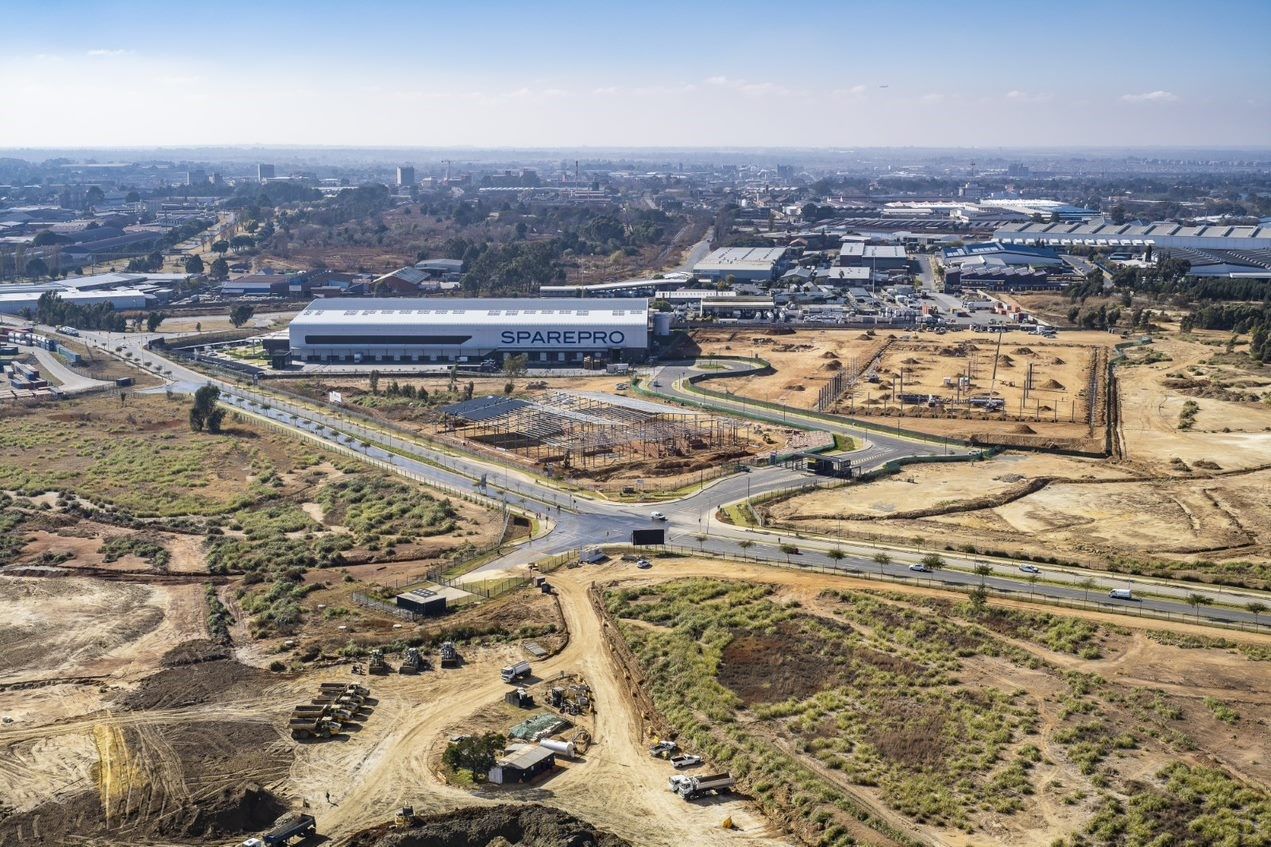
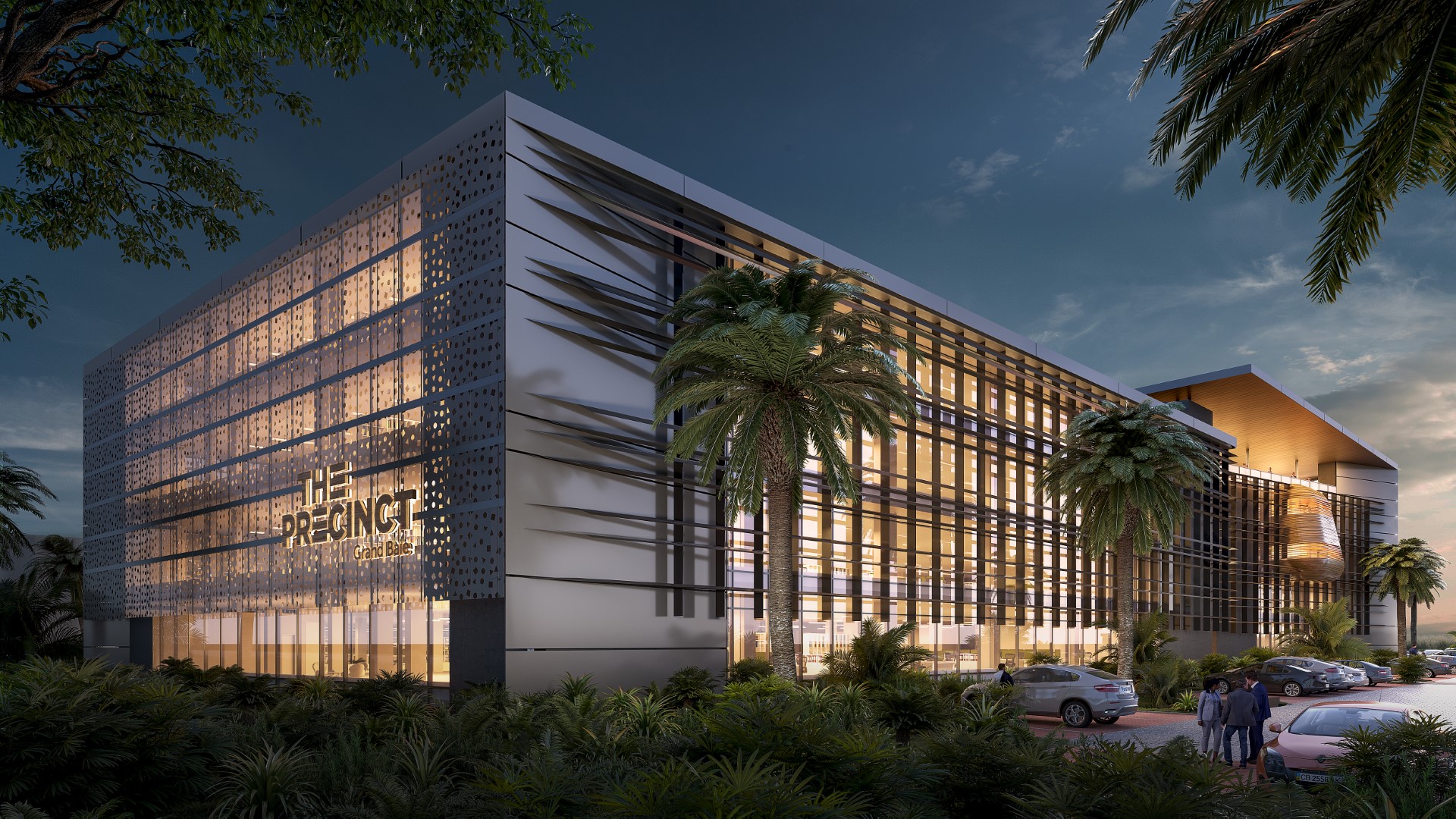
Solid Green’s commitment to contextual urban sustainability is not theoretical, it’s project-proven. We were proud to act as consultants on the S&J Industrial Estate EcoDistrict – the first EcoDistrict outside of North America – and on The Precinct in Mauritius, the first commercial EcoDistrict in Africa. These pioneering projects reflect what’s possible when global tools like the EcoDistricts Protocol are rooted in place-based understanding, long-term collaboration, and cultural sensitivity.
Looking Ahead
This article is the first in our new Sustainable Cities series, where we’ll share reflections, frameworks, and fieldwork from our journey reimagining urban futures through an African lens.
In the next article, we’ll explore how resilient cities start with resilient communities, and how social cohesion, healing-centred design, and everyday equity are foundational to long-term sustainability.

