


Small Guests, Big Data: the Bee Hotel Project
What happens when a city makes room for bees? Solid Green joined the Jozi Bee Hotel Project to explore what solitary bees can reveal about Johannesburg’s biodiversity and urban ecosystems.
7Some of the most important workers in a city are also its smallest. For those who have watched the Bee Movie, you will remember that the moment bees stopped working, flowers withered, gardens collapsed, and entire city ecosystems ground to a halt. This was a dramatic animated reminder of just how fragile our natural world really is. Across Johannesburg, a quiet experiment has been unfolding to find out how well those workers, solitary bees, are doing, and Solid Green has been part of it.

What the project is about
The Jozi Bee Hotel Project is a collaborative citizen science initiative between the University of the Witwatersrand and Tutus Loco, led by Dr Chevonne Reynolds of Wits’ School of Animal, Plant and Environmental Sciences. Its premise is simple but ambitious: distribute bee hotels to residents across the rapidly developing city, then use them to measure and compare biodiversity and the pollination services that flow from it from one neighbourhood to the next.
The project speaks directly to Goal 11 of the UN Sustainable Development Goals, which challenges us to build inclusive, safe, resilient, and sustainable cities. Central to that goal is a question of fairness: do all city residents have access to urban biodiversity and the ecosystem services it provides? By testing how biodiversity shifts across Jozi’s very different landscapes, the research team hopes to understand what drives those differences and, ultimately, how to close the gap.
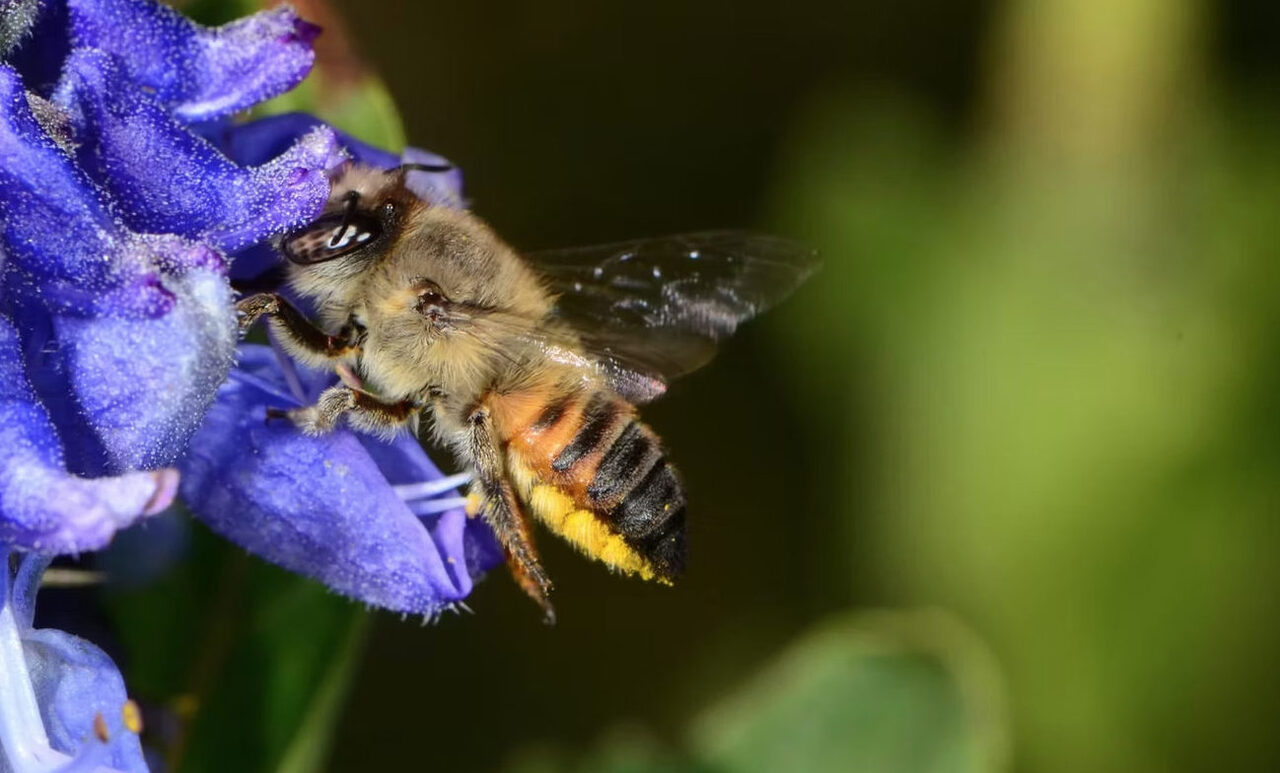
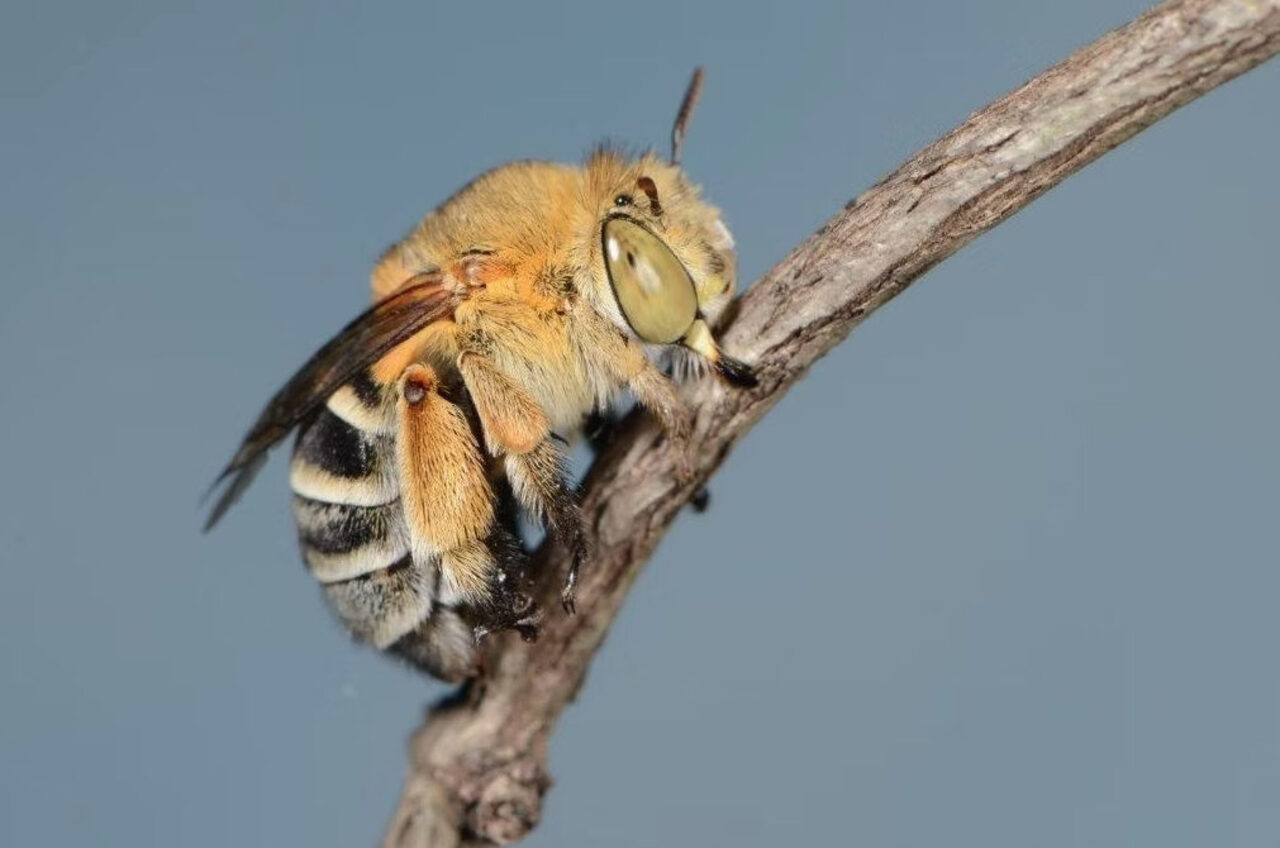
Solitary bees are the ideal messengers for this work. Unlike honeybees, they are harmless, they nest happily inside a bee hotel, and they are diverse and abundant enough to reveal meaningful patterns. They are also essential pollinators. Pollination is a genuine ecosystem service that keeps urban trees, residential gardens, parks, and city agriculture productive, which in turn supports the birds and animals that depend on that greenery. If you can measure how solitary bees change across the city, then you begin to see which areas most need support to secure biodiversity for everyone.
What began as a local pilot has since grown into a larger, internationally connected effort now running under the banner of UrbanBEE (myurbanbee.com), and this is the phase Solid Green took part in. Enthusiasm for the idea has been high and what started with a target of 200 bee hotels has grown to more than 370 finding homes across the city.
Solid Green’s season
Solid Green hosted a bee hotel at our Parkhurst office and joined the ranks of the project’s citizen scientists. The commitment is refreshingly hands-on: set up your hotel, then submit a photograph and a short observation every week so the researchers can track exactly how, and how fast, it fills up; if at all. Over the 2025–2026 season, that rhythm ran for roughly four months of weekly data collection, wrapping up at the start of February 2026, with six-month and one-year check-ins to follow as the science team analyses what was gathered.
Our colleague Adrie shared her personal reflections on taking part in the project for a second year:
This was my second year taking part in the bee hotel project, and I loved it just as much as the first time round – though oddly, it felt more stressful this time, even with a year’s experience under my belt. The bees seemed slower to move in, and my nerves got the better of me – I ended up relocating the hotel twice, second-guessing whether I’d picked the right spot.
But once occupancy picked up, it was genuinely rewarding to watch. Different bees took up different rooms, and it was fascinating to see how some nests were reused multiple times over the season. The whole process made me far more aware of the insects and bees around my own home and garden – I find myself noticing them now in a way I never did before.
The weekly progress reports we had to submit along with photos of our hotels were a nice rhythm to the project, and the WhatsApp group with the organisers and other participants added a lovely sense of community – seeing how everyone else’s hotels were filling up created a real sense of community, making it feel like a shared journey rather than a solo project.
One moment that stayed with me: the day I went to collect my hotel, the volunteers pointed out an owl in a nearby tree. I’d always pictured owls as roughly cat-sized – but this one had proper big-dog energy. Seeing one up close for the first time, I realised just how genuinely massive they actually are. A small but memorable bonus to the day.

Why it matters to us
For a sustainability consultancy, hosting a bee hotel is more than a feel-good gesture. It is a small, tangible contribution to a large-scale dataset that could shape how Johannesburg thinks about socio-environmental justice, urban greening, and biodiversity access. It connects the abstract language of ecosystem services to something you can watch fill up, week by week, right outside the door. And it is a reminder that building better cities isn’t only about the structures we design, it is also about the pollinators and the people we make room for.
To learn more about the research, visit the Jozi Bee Hotel Project at jozibeehotelproject.com or UrbanBEE at myurbanbee.com.

