


Rethinking waste: from green building benchmarks to everyday choices
In this thought piece, Cebisa Mafukuzela, Sustainability Communications and Engagement Manager, looks at the macro and micro scales of sustainable waste management.
7Every year, tonnes of single-use plastics and untreated waste enter our ecosystems, choking waterways, polluting oceans, and swelling landfills. Waste is probably the most well understood way that human life is impacting the ecosystem and it is also the most visual. Waste is often treated as an inevitable side effect of modern life, but waste is a design flaw, a symptom of a linear “extract-manufacture-use-dispose” economic model that we need to transform.
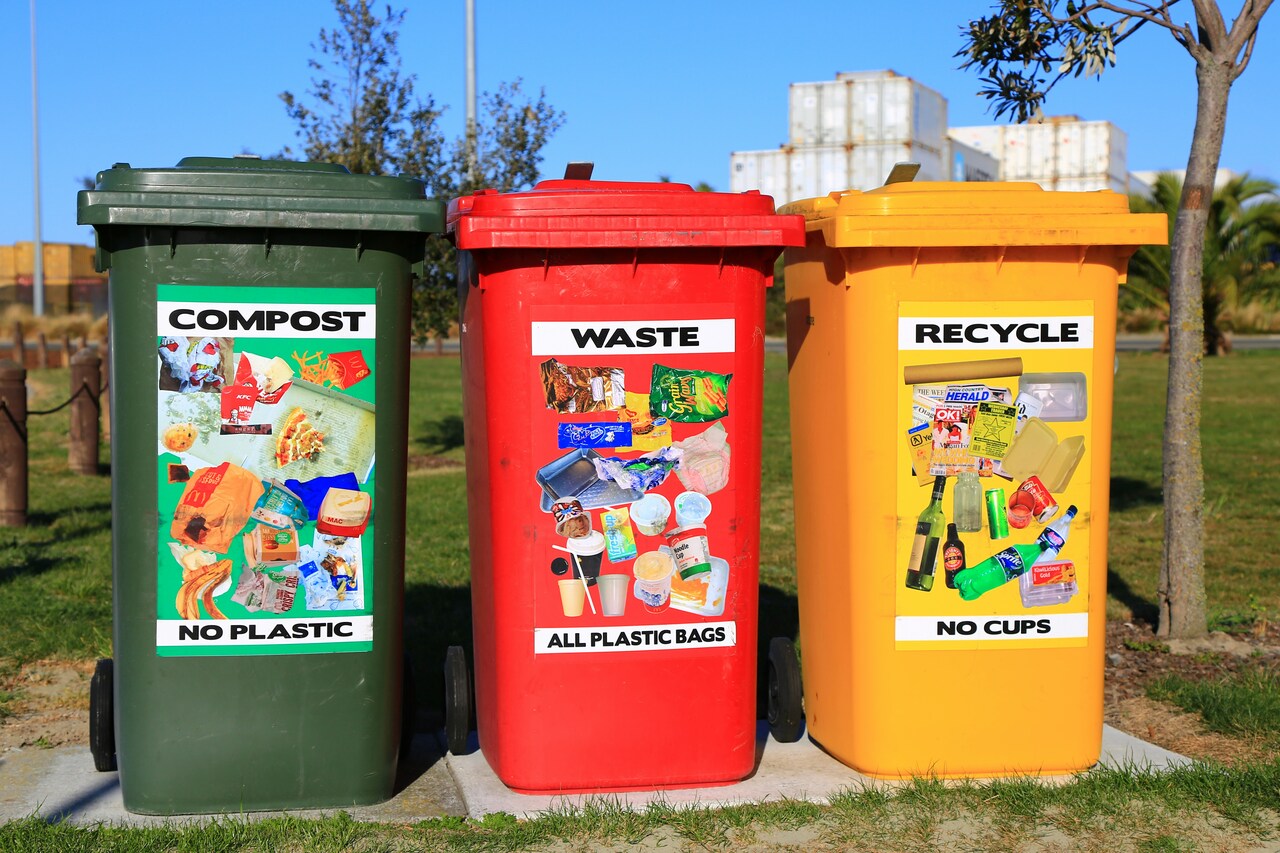
Living plastic-free and actively reducing waste are not merely lifestyle trends; they are foundational pillars of a sustainable future. When we examine waste through the lens of the United Nations Sustainable Development Goals (SDGs), the interconnectedness of our daily choices becomes undeniably clear:
- SDG 12 (Responsible Consumption and Production): Directly challenges us to substantially reduce waste generation through prevention, reduction, recycling, and reuse (Target 12.5) while ensuring the environmentally sound management of chemicals and plastics throughout their life cycle.
- SDG 14 (Life Below Water): Targets the prevention and significant reduction of marine pollution of all kinds, particularly from land-based activities including plastic debris that harms marine biodiversity.
- SDG 11 (Sustainable Cities and Communities): Emphasises reducing the adverse per capita environmental impact of cities, specifically through spatial planning, municipal waste management, and circular economy practices.
- SDG 13 (Climate Action): Addressing waste directly cuts greenhouse gas emissions, both by diverting organic waste that produces methane in landfills and by avoiding the heavy carbon emissions associated with manufacturing virgin plastics and textiles.

The macro scale: how green building certifications cut waste and plastic
At Solid Green, we see firsthand how high-performance built environments drive circularity. Green building rating tools such as Green Star, LEED, EDGE, and GBCSA Net Zero Waste are powerful structural mechanisms for eliminating waste long before a building even opens its doors.
1. Construction & demolition waste diversion
During construction and refurbishment, unmanaged waste can have a major negative impact on the direct physical environment and the general environment. Green building certifications require Construction Waste Management Plans (CWMPs), with the newer Green Star V2 tool mandating this. Projects are required to audit, sort, and track waste streams, diverting anywhere from 50% to over 95% of demolition and construction materials away from landfills through material recovery, adaptive reuse, and composting.

2. Operational waste & material audits
Once occupied, green-certified buildings target operational waste through dedicated rating criteria (such as Green Star’s MAT-2 Solid Waste Management or LEED Zero Waste). This involves:
- Infrastructure for Separation: Installing multi-stream recycling stations and dedicated organic composting facilities in tenant spaces to eliminate single-use plastic contamination.
- Procurement Policies: Encouraging sustainable building operations that eliminate single-use plastics in corporate canteens, events, and facilities management.
- Waste Audits: Conducting continuous waste stream audits to track diversion metrics and hold waste contractors accountable to verified compliance standards.
The personal scale: mindfulness in everyday practice
While green building standards provide the structural framework, ongoing change also relies on personal accountability. Over the past year, I have made intentional shifts in my own household to align my daily habits with the very goals we advocate for professionally.
1. The glass transition (done mindfully)
I made a deliberate decision to stop purchasing plastic food containers and replace them with glass alternatives. However, true zero-waste living requires avoiding the trap of “sustainability consumerism.”
Rather than throwing out perfectly functional plastic containers simply because they are plastic, which would generate immediate waste, I adopted a gradual replacement strategy. I continue using our existing plastic containers for as long as they remain usable and safe, replacing them with durable glass alternatives only when they reach the end of their functional life.
2. Curbing textile and fashion waste
Textile production is one of the world’s most resource-intensive and polluting industries. To minimise fashion waste in my home:
- minimalist purchasing: I consciously restrict how many new clothing items I buy, prioritising longevity over fast-fashion trends.
- gender-neutral quality for kids: When buying clothes for my children, I choose high-quality, durable, gender-neutral pieces. This ensures that garments can seamlessly be handed down between siblings and family members, extending their life cycle for years.
3. Mending and Repurposing
Before any household fabric or garment gets discarded, I use my sewing machine to give it a second life. Mending worn seams, altering fits, or repurposing old textiles into kitchen cleaning cloths, household rags, or craft projects keeps fabric out of the waste stream and reduces the need for new single-use paper or plastic goods.
Collective action: voices from the Solid Green team
Sustainability is a collective culture. As part of our ongoing SDG series, here is where we spotlight the creative, practical ways my colleagues across Solid Green are reducing waste and living plastic-free.
Team spotlight & tips
Jennifer Dean: repurposing & plant propagation
Before sending food packaging to the recycling bin, give it a second functional life! I use larger plastic yogurt and ice cream containers as plant starters by simply punching a few drainage holes in the bottom. For water plant propagation, glass jars and containers work brilliantly, turning kitchen waste into green home decor. I also save plastic lids separately to donate to ‘Help the Sweethearts Foundation’, proving that even the smallest plastic components can create meaningful social and environmental impact.
Marloes Reinink: urban composting & community eco-bricks
Living in an apartment shouldn’t stop you from recycling! The key to effective recycling is keeping organic (wet) waste out of your dry recyclables, so I set up a Bokashi system. I keep a small tub on my kitchen counter and empty it into my Bokashi bucket every few days. Once the bucket is full and has fermented for a month, I transfer it to the compost area I set up in our communal garden.
To tackle soft plastics, I also started an Eco-Brick initiative in our building. Residents drop all soft plastics into a dedicated blue bin, and two ladies in our building use the plastic to make Eco-Bricks, earning a small fee for each brick they produce. Once they’re ready, I drop the finished Eco-Bricks off at Jackson’s Real Food Market! It’s a win-win for local livelihoods and waste reduction.
The way forward
Whether we are certifying multi-million-rand precincts to achieve Net Zero Waste or simply mending a pair of trousers at home, the underlying principle remains identical: resources are finite, and every item deserves a circular lifecycle.
By pairing rigorous corporate benchmarks with conscious everyday habits, we move closer to a resilient, low-carbon, and plastic-free future. What is one small waste-reduction swap you can make today?


