People First: Tackling Hunger, Education, and Gender Equality
At Kwena Molapo Secondary School, a powerful partnership is showing how people-centred sustainability can transform lives and bring the UN SDGs to life in meaningful, everyday ways.
7The People dimension of the UN Sustainable Development Goals (SDGs) calls for an end to poverty and hunger, and the creation of equitable environments where every individual can reach their full potential. At Kwena Molapo Secondary School in Diepsloot, Solid Green and the Imveliso Foundation are living out this commitment through initiatives that touch the lives of learners in practical, lasting ways.
Growing Food Security: No Poverty & Zero Hunger (SDG 1 & 2)
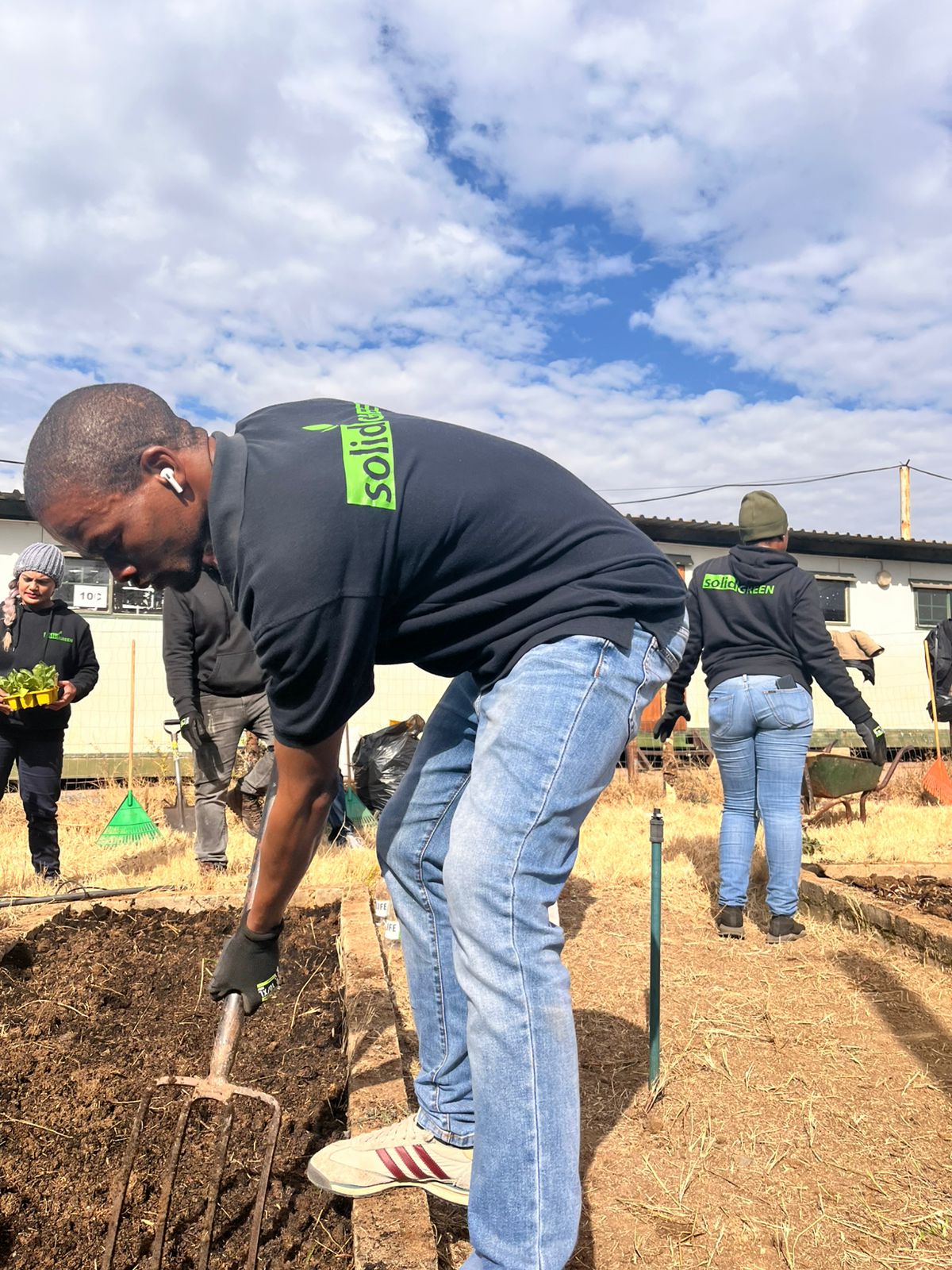
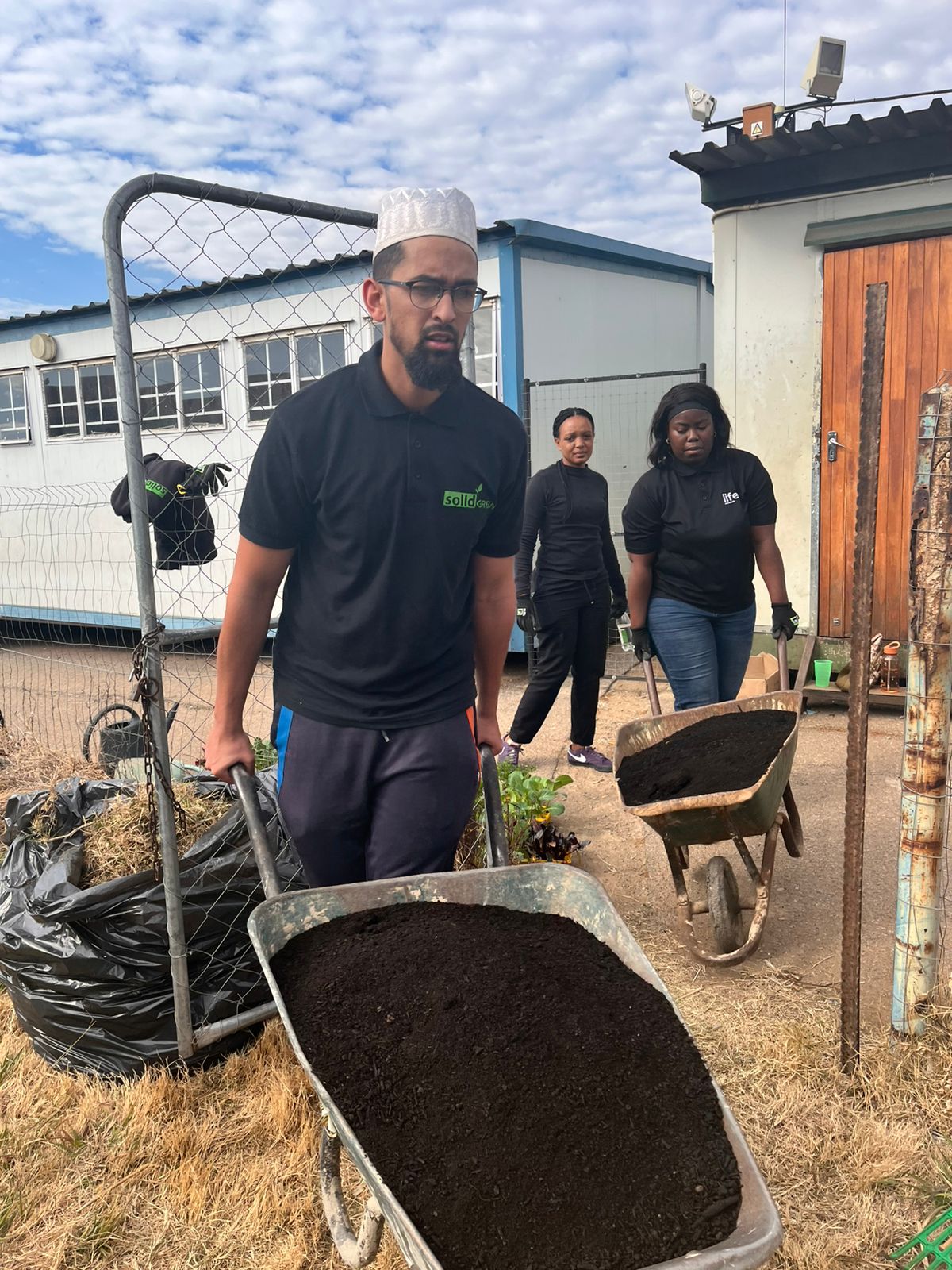
Through initiatives that blend food security, education and empowerment, the collaboration demonstrates that the SDGs are not distant ideals but living, practical solutions with tangible outcomes. Powered by the Imveliso Foundation, Solid Green initiated the revitalisation of the Food Garden at the school. In July, as part of Mandela Day, volunteers from Solid Green joined learners and staff at Kwena Molapo Secondary School to revitalise the school’s vegetable garden. Overgrown beds were cleared, compost and mulch were added, and seedlings of hardy vegetables were planted. This initiative strengthens the school’s ability to provide fresh produce for its kitchen, but also equips learners with knowledge about sustainable agriculture.
A key innovation was the introduction of a Bokashi composting station, turning food waste from the school kitchen into nutrient-rich soil. Instead of discarding organic waste, it is now being cycled back into the garden to enrich the soil and reduce reliance on external resources. In this way, the project tackles both hunger and poverty and lowers food costs while creating a resilient, circular system.
The garden is more than food security; it is a classroom without walls, showing learners how small, local solutions can build dignity, self-sufficiency, and resilience.
Unlocking Potential: Quality Education & Gender Equality (SDG 4 & 5)
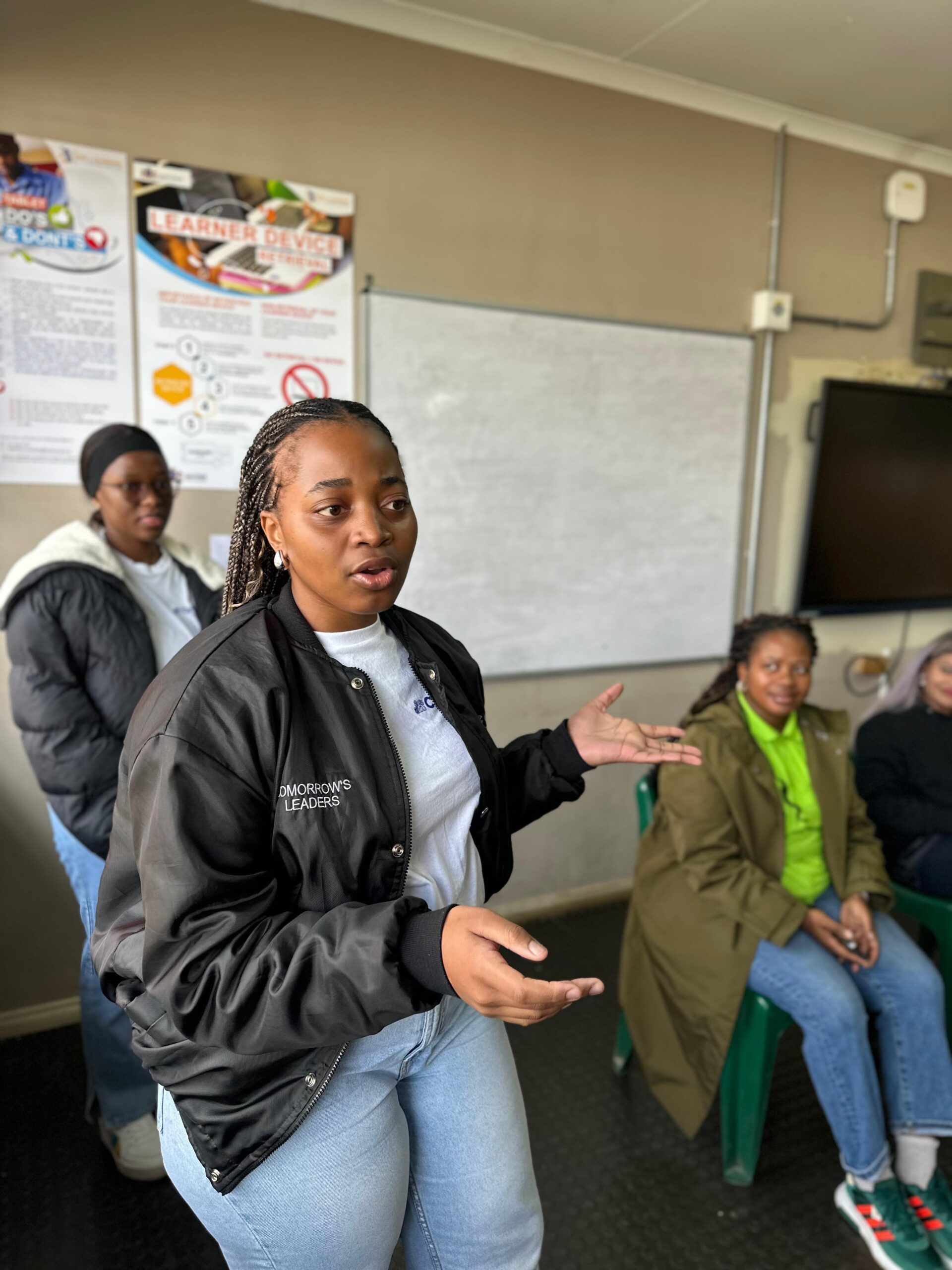
The Imveliso Foundation has also placed a strong emphasis on empowering young women in education. Recognising that access to quality education is key to breaking cycles of poverty, the Foundation hosted a Careers Day for Grade 12 girls studying mathematics. Here, learners were introduced to a range of professional opportunities in sustainability, engineering and the built environment, fields where women remain underrepresented.
Beyond career exposure, the Foundation has provided support for university applications, ensuring that matric girls not only dream big but also have the practical tools to take the next steps in higher education. This direct investment in learners’ futures is critical for advancing both gender equality (SDG 5) and quality education (SDG 4), tackling systemic barriers that prevent women from entering technical and leadership roles.
By combining food security initiatives with educational empowerment, Solid Green and the Imveliso Foundation are demonstrating that the SDGs are not abstract ideals but actionable goals that can transform communities. At Kwena Molapo, the garden beds and compost bins are as important as the classroom lessons and career workshops.
By targeting these gaps, the Foundation is helping to build a pipeline of women who will shape the future of industries critical to a sustainable society. This work shows that when we invest in people by addressing hunger, education and gender inequality, we lay the foundation for a healthier, more equitable society.

Holistic Sustainability in Action
At the heart of this partnership is Solid Green’s ethos of holistic sustainability. The company’s approach extends beyond buildings and infrastructure to encompass the social fabric of communities. True sustainability is not only about energy efficiency or green certifications, it is also about addressing the interconnected realities of people, planet and prosperity.
The initiatives at Kwena Molapo exemplify this philosophy:
- Food gardens and compost bins tackle hunger and resource scarcity.
- Career workshops and mentorship dismantle systemic inequalities.
- Hands-on involvement from Solid Green employees strengthens community bonds and creates shared ownership.
Together, these efforts show that sustainability is not a siloed discipline. Sustainability is a holistic practice that integrates environmental, social and economic dimensions.
A Model for the Future
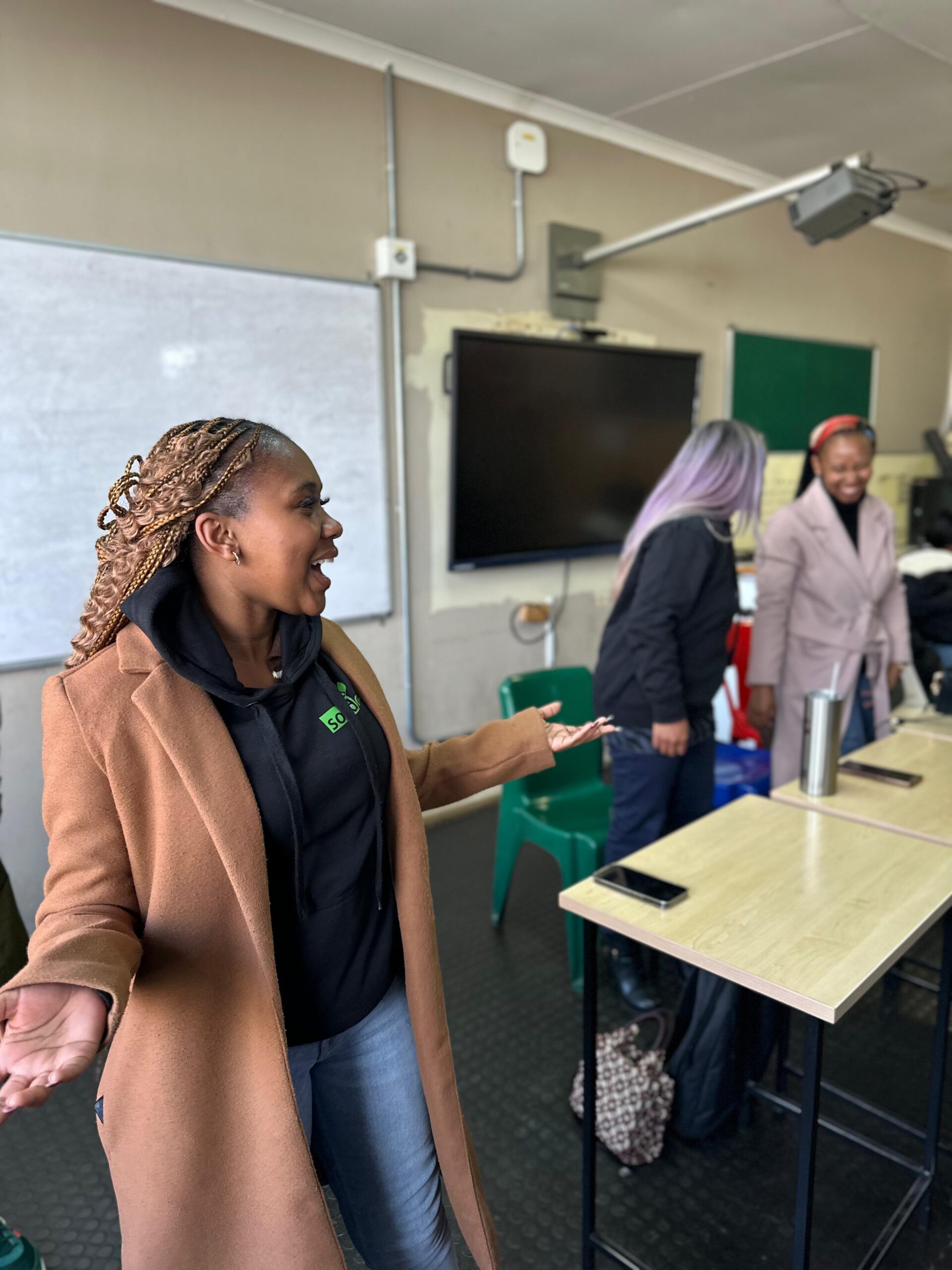
Kwena Molapo Secondary School is becoming a microcosm of what the SDGs envision: a place where hunger is met with resilience; education with opportunity; and inequality with empowerment.
The work of Solid Green and the Imveliso Foundation is a reminder that when we invest in people, we invest in society as a whole. The vegetables harvested from the garden, the compost feeding the soil, the learners gaining confidence in their futures – these are all part of a bigger story of communities rising to thrive through sustainable, equitable action.
This is what people-first sustainability looks like: actionable, impactful and transformative.