


50+ Net Zero Certifications: What We’ve Learned Along the Way
From bold ambition to measurable impact, our journey across 50+ Net Zero certifications reveals how the built environment is turning sustainability commitments into practical, scalable action.
7Over the past years, Solid Green has had the privilege of supporting the built environment on a journey that is rapidly shifting from ambition to action. We’ve now completed 50+ Net Zero certifications, spanning a wide range of building types, client priorities, and operational realities. While most of our work has focused on Net Zero Carbon, we’ve also delivered certifications in Net Zero Waste, Net Zero Water and Net Zero Ecology.
Reaching Net Zero is never only a technical exercise. It’s a process that touches design decisions, procurement, operations, behaviour, governance and, perhaps most importantly, confidence. With each project, the market has matured and so have the questions clients ask. Looking back across these 51 certifications, several practical learnings stand out.

1) Net Zero is a pathway, not a finish line
One of the most important mindset shifts is recognising that Net Zero is not a single “moment” where everything becomes perfect. It’s a structured pathway that helps organisations reduce impact year-on-year, make better decisions with better data, and build internal capability. Certification is valuable because it sets a clear framework, accountability, and a credible external benchmark. But what matters most is what happens after the certificate is issued – the operational discipline to sustain performance and continuously improve.
2) Carbon is measurable and financially relevant
It’s no surprise that Net Zero Carbon dominates our portfolio. Carbon accounting has become the most widely understood entry point, largely because energy and emissions data are increasingly accessible, and decarbonisation often aligns with financial drivers: reducing energy costs, improving resilience, and meeting investor or tenant expectations. But we’ve also learned that carbon is a “gateway” topic. Once teams become comfortable tracking energy and emissions, it becomes far easier to broaden the conversation to water, waste and ecological impacts.
3) Data readiness is the make-or-break factor
If we had to choose one consistent success factor across projects, it would be this: good data changes everything. Strong Net Zero outcomes depend on reliable utility information, clear building boundaries and consistent documentation. When data is missing, inconsistent, or scattered across parties, teams spend time reconstructing the past instead of improving the future. Early in a project, we now focus heavily on defining boundaries, responsibilities and minimum data requirements. This not only streamlines certification but also strengthens the client’s long-term reporting and ESG readiness.
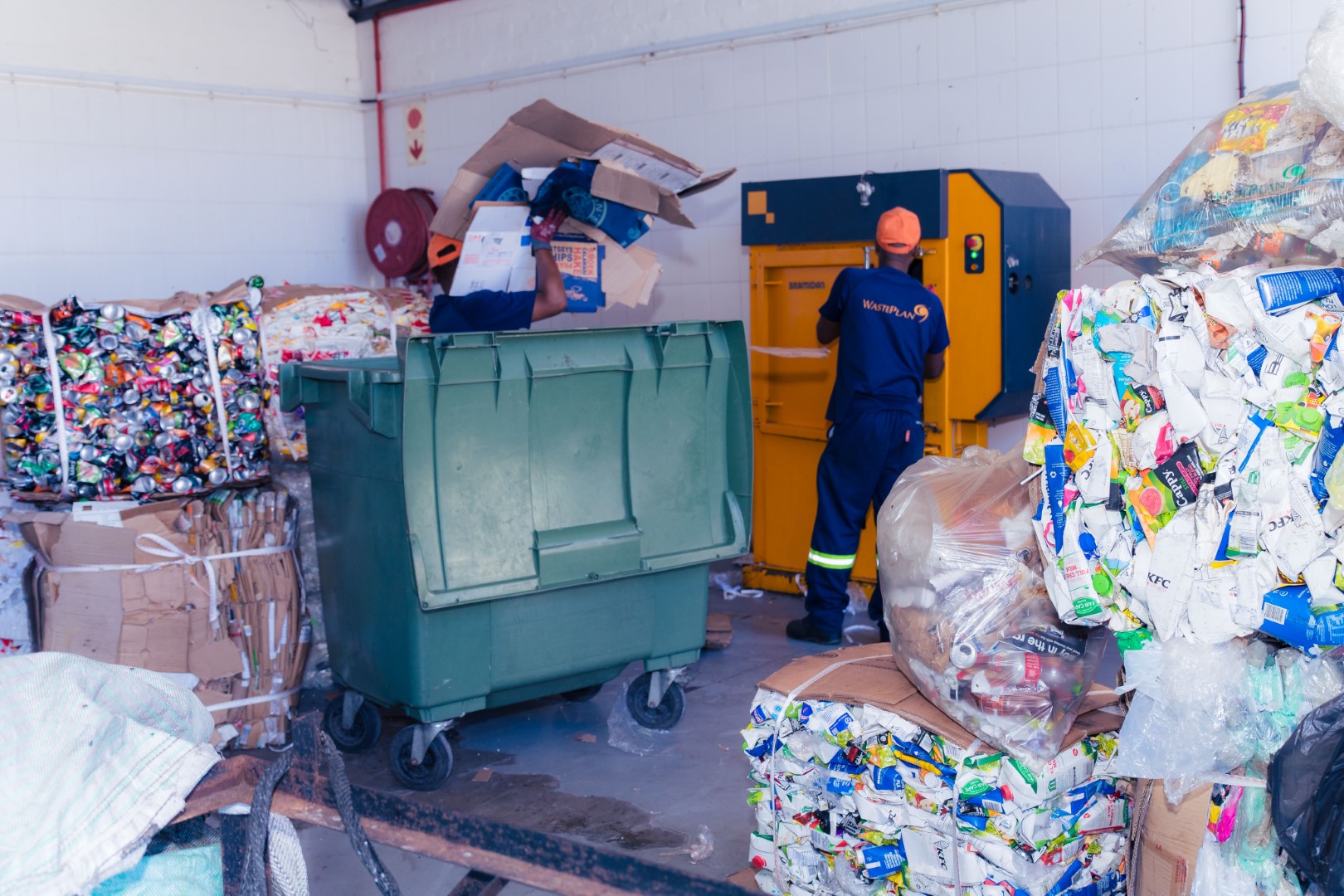
4) Operational teams are the real heroes of Net Zero
Net Zero is often initiated by sustainability leaders, executives, or property teams but it is enabled daily by facilities managers, building operators and service providers. The best projects are those where operational teams are included early, understand the “why”, and are supported with practical tools such as clear operating procedures, metering strategies, and maintenance planning. Where Net Zero becomes part of “how we run the building”, outcomes are stronger, and performance is sustained rather than short-lived.
5) The quality of the strategy matters more than the size of the budget
There’s a common misconception that Net Zero is only achievable with major capital expenditure. While some upgrades do require investment, many strong outcomes come from smart sequencing: operational optimisation first, targeted upgrades second, renewables where feasible, and offsets only for what cannot (yet) be eliminated. The most successful projects are strategic: they prioritise the biggest impact actions first and avoid spending money on measures that look impressive but don’t shift performance meaningfully.
6) Waste and water are gaining traction
As the market matures, we are seeing growing interest in Net Zero beyond carbon. Net Zero Waste is particularly compelling because it forces operational clarity: waste streams, procurement choices, tenant engagement, contractor alignment and on-site practices all have to be addressed. Similarly, water resilience is becoming a bigger priority as risk awareness grows. These categories often deliver additional benefits: cleaner sites, improved compliance, stronger stakeholder engagement, and a clearer understanding of material flows through a building or precinct.

7) Net Zero works best when it’s embedded into decision-making, not “added on”
Net Zero becomes far easier when it is integrated into everyday processes – budgeting, reporting cycles, OPEX planning, leasing conversations, procurement requirements and performance reviews. When sustainability is treated as a parallel stream, it relies on a few champions and is vulnerable to staff changes or shifting priorities. When embedded, it becomes durable.
Looking ahead
The story of these 51 certifications is ultimately a story of momentum. The built environment is changing faster than many expected, and the organisations that are learning early are already positioning themselves for the next decade of regulation, investor scrutiny and client expectations.
At Solid Green, we’re proud of the role we’ve played so far, but we’re even more excited about what comes next: deeper decarbonisation, stronger operational performance, and more projects that address Net Zero in a holistic way that includes carbon, waste, water and ecology. If the last few years have taught us anything, it’s that progress is absolutely possible when goals are clear, data is trusted, and teams work together.

