


It’s a Material World
A lot goes into a product’s lifespan, and Ecolabels can be a helpful indication of whether or not a product is truly Green. Here, Amy Symington tells us more.
7Every product we purchase has a hidden footprint. From raw material extraction and transportation to manufacturing and distribution, each step consumes energy and resources. Products follow a life cycle – whether it’s cradle-to-grave (a linear path where a product at the end of its life becomes waste and is sent to landfill) or cradle-to-cradle (a circular path where, once it’s initial use is complete, the product can be used for a different propose). Every step of the product’s journey costs the earth a little more and, in turn, will cost people more. By making mindful choices, we can reduce this impact. If we look after the planet, the planet in turn will be able to look after us.
Every product needs resources to be produced. Firstly, establish that the materials are ethically sourced – an example of this would be to make sure the timber you buy has an FSC chain of custody certificate to ensure correct procurement. This certificate takes environmental and social aspects into consideration.
 Photo by Steven Kamenar on Unsplash
Once the materials have been sourced, they need to be transported to the processing or manufacturing facilities and then to a location where they can be sold. Fuel is needed for transportation and as a result CO2 emissions are released, which have a harmful effect on the atmosphere. To help reduce transportation it is helpful to source products made within the same country in which the product will be used. To go one step further the resources used to manufacture the products should also be sourced from a nearby location. It’s always good practice to support local businesses.
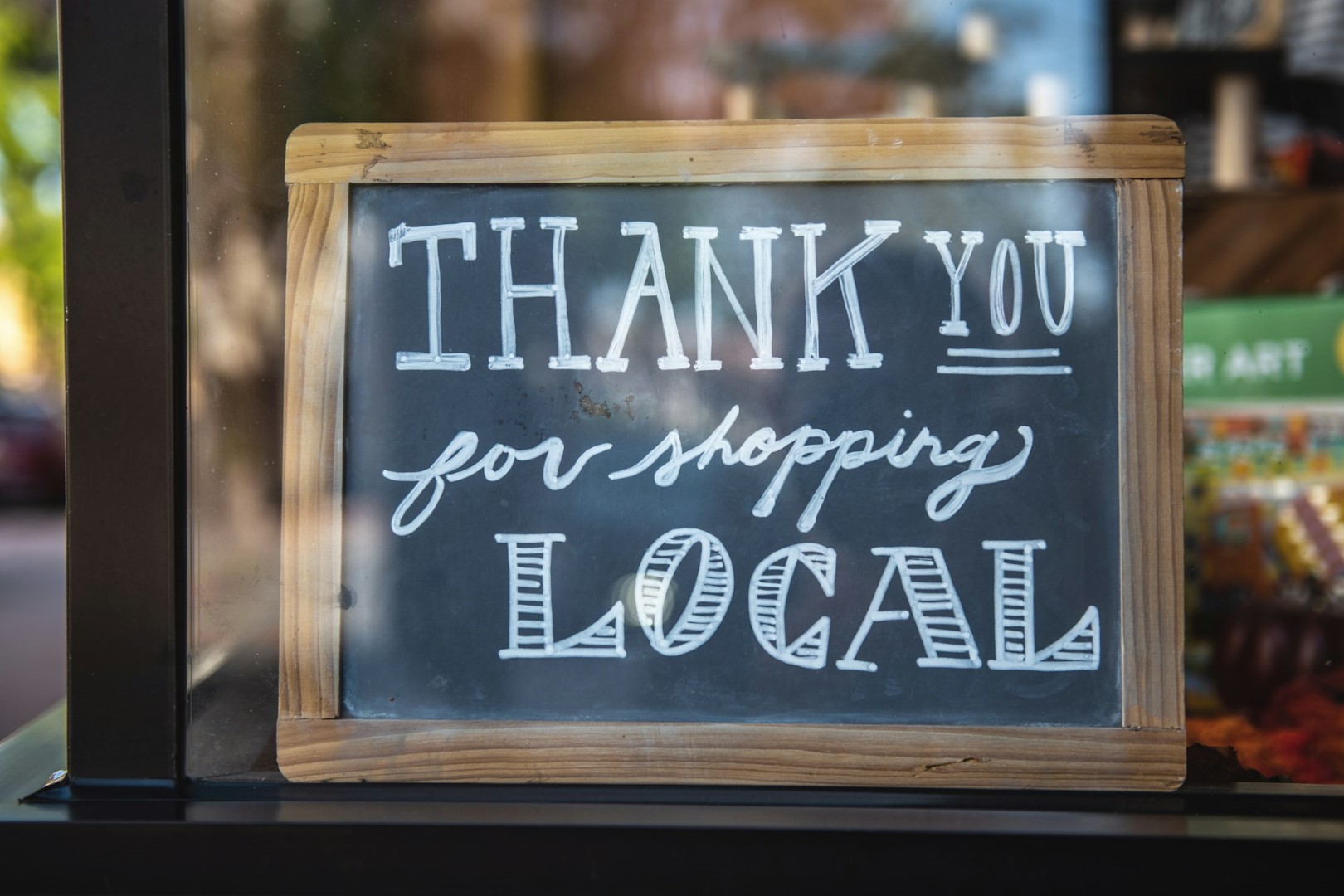 Photo by Tim Mossholder on Unsplash
An indication of good environmental management is if the manufacturing facility has an ISO 14001 certificate. ISO 14001 takes a look at “environmental management systems (EMS)” and is a framework that holds international standing.
For example, when incorporating finishes into an interior fit-out, think about the negative or positive contribution it can make to the environment. Do they release Volatile Organic Compounds (VOC’s) into the air that one breathes? VOCs are unhealthy for people to breathe and, where possible, zero/low VOC alternatives should be sourced.
When it comes to their end of life, our ‘go to’ for green contributions is recycling. While recycling has its place, the best approach wherever possible is to use less – we don’t need to live in excess. We can contribute the most by only using what is needed. Where possible, we should try to extend the life of a product. In this approach there is no need to extract materials in the first place. An example of using less in an interior fit-out would be using exposed aggregate as the final floor finish, or specifying exposed ceilings. This removes the need for having additional materials for interior finishes.
Exposed ceiling
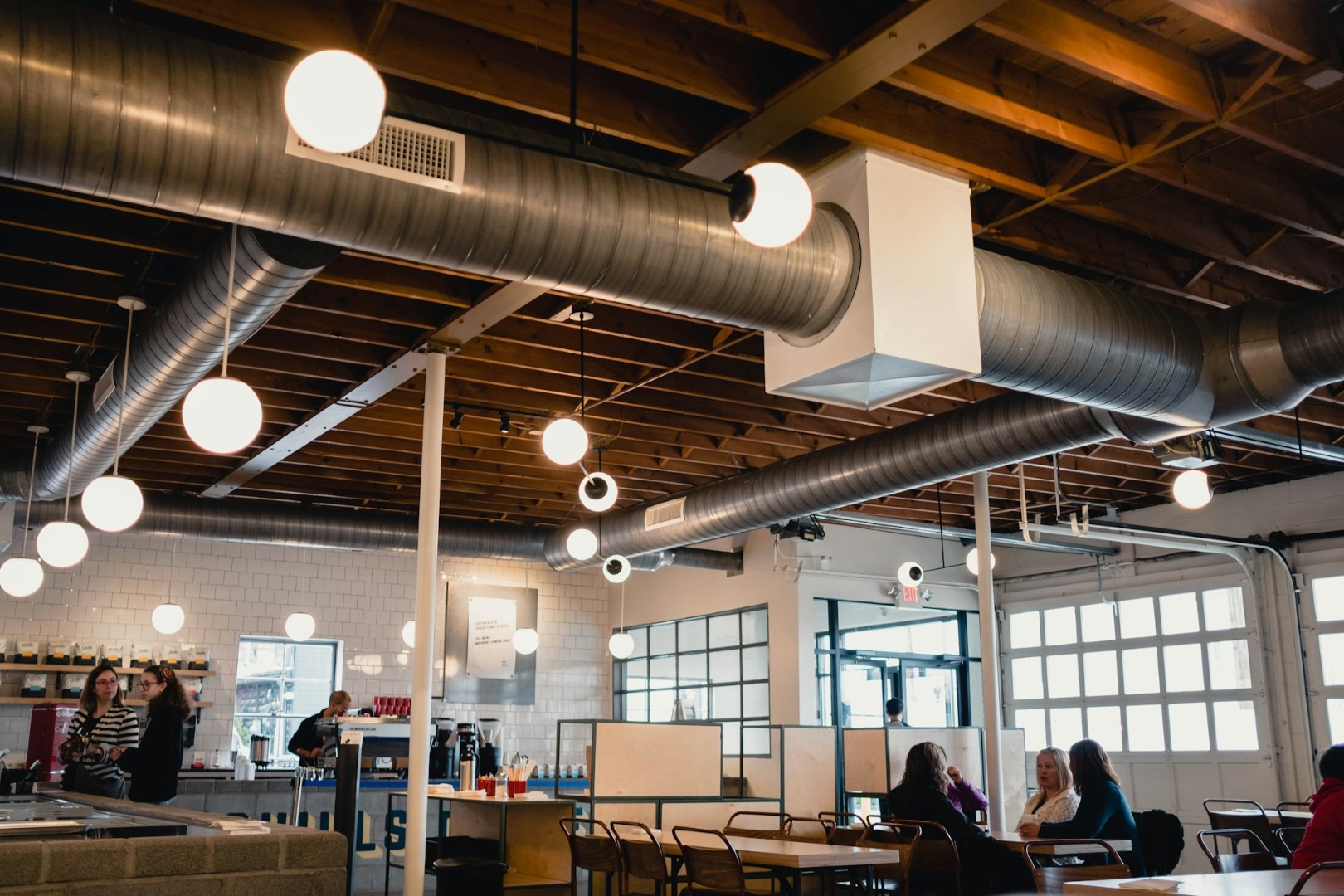 Photo by Kyle Nieber on Unsplash
After we are done with material items where do they go? Once we’ve finished with a material, can a new life be found for it? Will the product end up in landfill and contribute to pollution? Or will it be circular and be placed back into the production cycle?
This is an excellent time to think out of the box and be creative about ways in which the product can be circular. Can it be repaired, recycled or donated? Maybe it can be refurbished or repurposed.
Before and after
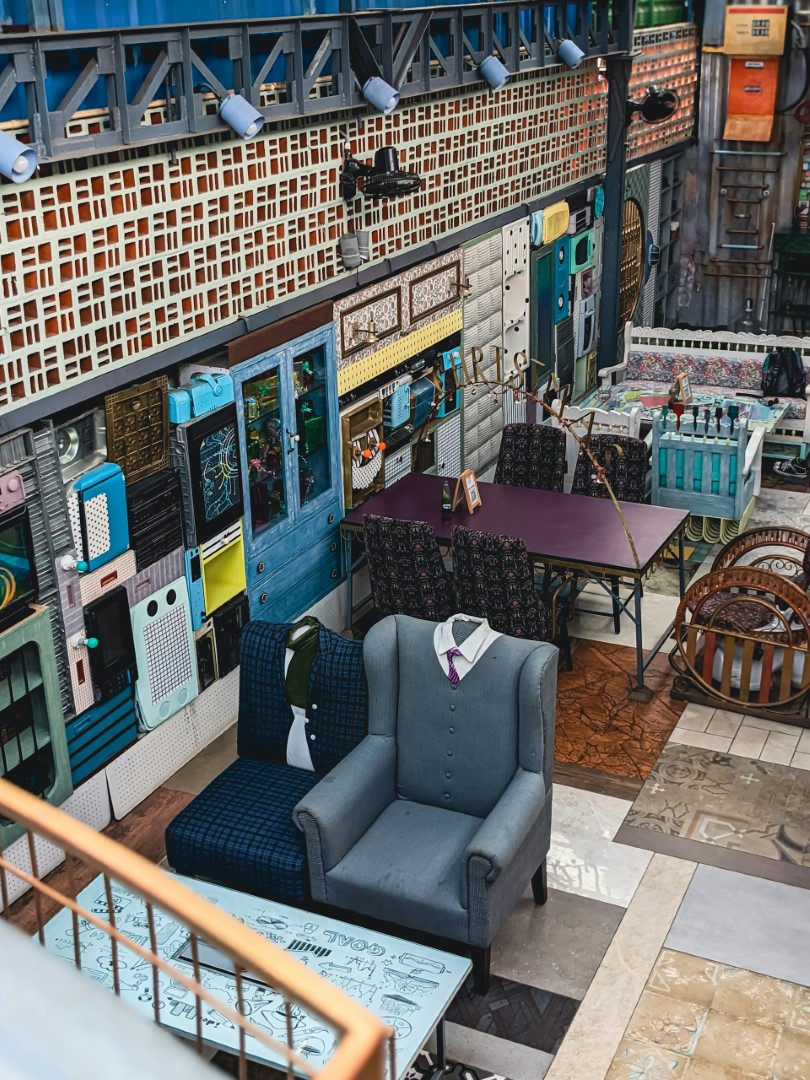 Photo by Vishwanth Pindiboina on Unsplash
There is a lot to consider when looking at a product’s overall life span and Ecolabels can be a helpful indication of whether or not a product is Green. Ecolabels need to be certified by a third party organisation. These labels cover different aspects including energy or water ratings, flooring, air quality, furniture and more.
It’s important to understand what to look for when considering Ecolabels, as there are a lot of look-alike symbols and icons that carry no merit. Some of the genuine furniture certification schemes are Blue Angel, Nordic Swan, SCS Carbon Neutral, GreenTag, Cradle to Cradle, Eco Standard South Africa, Holz von Hier, EU EcoLabel, GECA and LEVEL by BIFMA.
It is worth everyone’s time to try their best to make a change. It doesn’t have to solve the whole production supply line at once, but starting small and building on it can help make our shared world a better place. It’s all about being considerate and mindful about our choices.

