


Future of Sustainability 2026: Africa’s Green Horizon:
Attending the FOS 2026 Sustainability Summit was a powerful reminder that the narrative around Africa and the climate crisis is shifting.
7Hosted in the heart of Johannesburg, the summit served as a high-octane crossroads for leaders, innovators and changemakers, all converging to redefine Africa’s role not as a spectator, but as a protagonist in the global green transition.
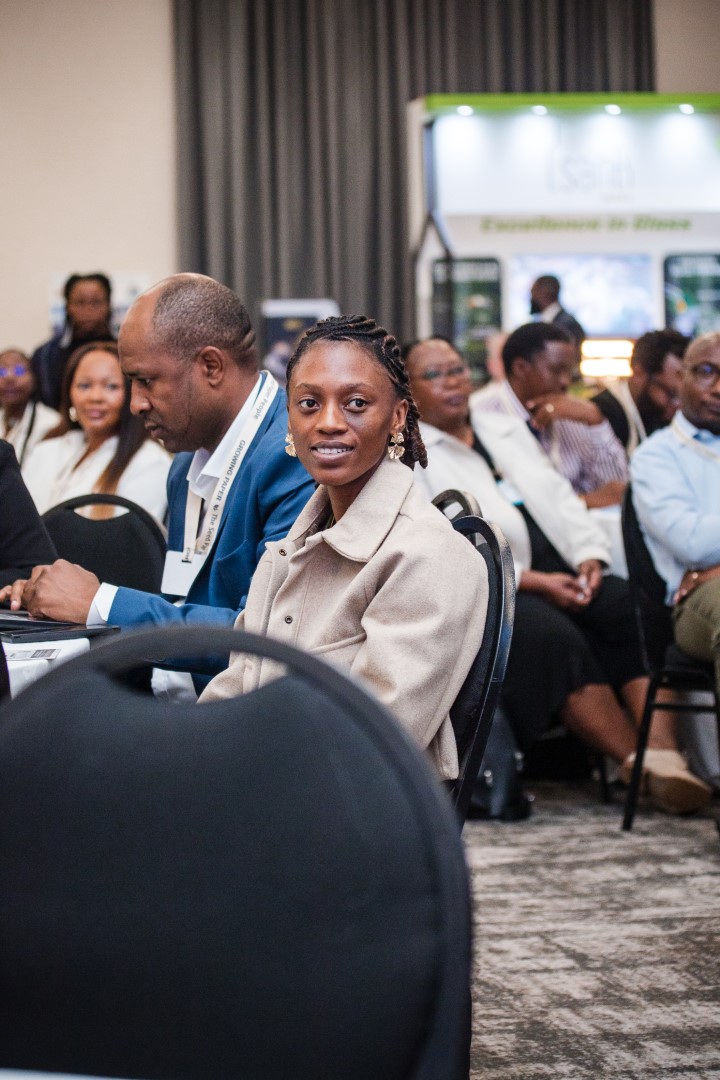
Over two dynamic days, the dialogue moved decisively from theoretical goals to “intelligence for impact.” The overarching takeaway was clear: Africa is no longer just a participant in the climate conversation; it is a sophisticated laboratory for resilience and a global leader in inclusive innovation. From audit-ready “Green Data” to the ingenuity of township ecopreneurs, the summit showcased a continent that is turning environmental challenges into a blueprint for sustainable growth.
The sustainability landscape is undergoing a radical transformation, shifting away from the era of “trust me” narratives toward a future defined by Green Data and high-stakes accountability. At the recent “Rebooting Sustainability” summit, the core message was clear: ESG reporting is now in the realm of audit-ready intelligence. As stakeholders demand transparent, verifiable evidence, the focus has shifted toward elevating non-financial disclosures to the same level of rigour as financial reporting. For consultants and corporate leaders alike, the mandate is to move beyond polished prose and equip clients with the data-driven infrastructure necessary to withstand intense regulatory and public scrutiny.
While mitigation often dominates the global conversation, the summit highlighted a critical pivot toward Practical Climate Adaptation. Recognising the persistent funding gap, experts reframed adaptation as a strategic advantage, particularly in Africa where vulnerability is acute. The dialogue emphasised resilient infrastructure, water harvesting and community-led initiatives as essential pillars of survival.

However, a recurring theme was the “enforcement gap”; while the strategies exist, a lack of robust environmental legislation enforcement remains a significant hurdle to progress. This underscores the need for Partnerships for Progress, as echoed in the Deputy Minister’s address regarding the Blue Deal Programme. Water security is a collaborative challenge that requires cross-sector models uniting government, business, and local communities to create truly resilient management systems.
True impact, however, is being found at the grassroots level through Township Ecopreneurship. Innovative bio-circular initiatives, such as the project in Johannesburg’s Itsoseng settlement, are turning organic waste into biogas and bio-fertilizer. These projects do more than just manage waste; they create jobs and generate renewable energy, offering a scalable blueprint for corporate co-investment.

This spirit of inclusion extended to the “Young, Gifted and Green” cohort, where the conversation moved from tokenism to authentic power-sharing. Panelists like Solami poignantly noted that youth are often treated as “people in waiting,” excluded from the very policy implementation they are meant to inherit. The call to action was simple: close the representation gap and recognise youth as essential coordinators in environmental governance.
Reflecting on the internal insights of the conference, the discourse on South Africa’s Just Energy Transition stood out as a particularly complex challenge. Because the energy sector is only partially industrialised, the shift to cleaner systems requires a nuanced approach where alternative solutions complement traditional supplies rather than instantly replacing them.
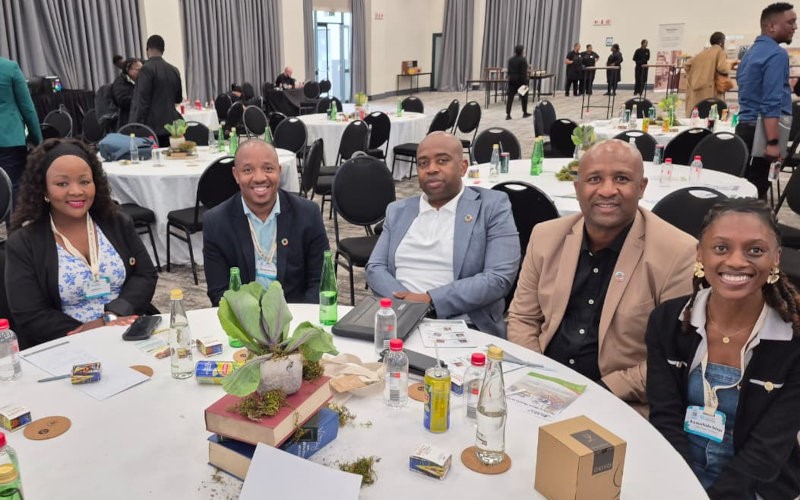
High-level discussions with mining leaders revealed bold strides in hydrogen technology and biodiesel production from used cooking oil, proving that even the most traditional industries are marrying waste reduction with renewable energy. Yet, the path forward is layered with irony, symbolised by the debate over imported tote bags at a sustainability event – reminding us that the road to progress requires a holistic look at every link in our global supply chains.

